
Present
Samsung Electronics —
Knox Suite
During my time at Samsung, I helped design and scale Knox Suite for enterprise customers. I worked closely with designers, developers, product managers, and our users to rethink critical admin workflows. Along the way, I helped evolve our design system to reduce inconsistencies and fragmentation, and support new products and AI patterns.
Currently, I'm building a new platform to help Samsung service providers streamline their device management and sales experiences.
Contribution
Tools
Timeline
Bowls of ramen consumed
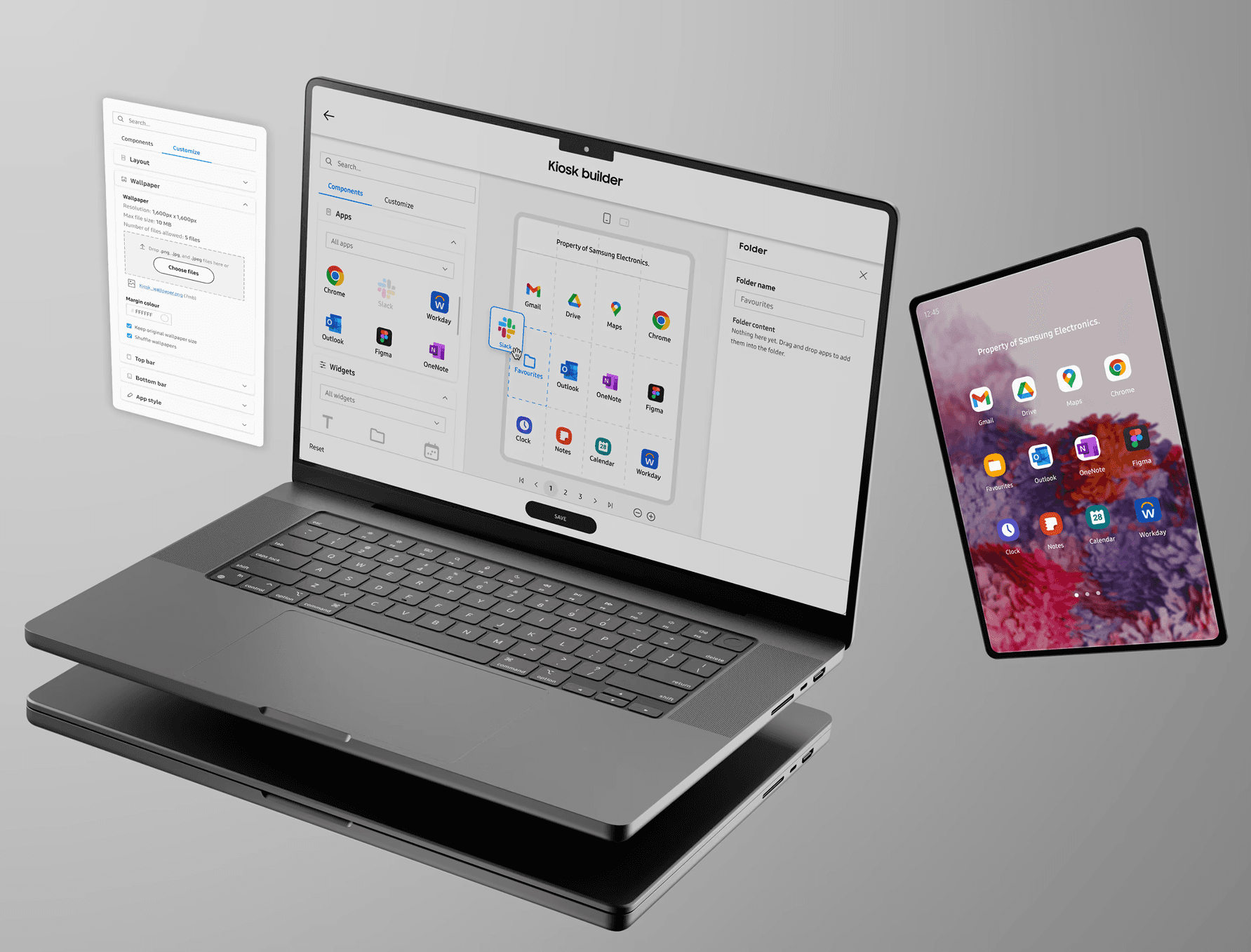
One of the features I designed with my team for Knox Manage.
Rebuilding our architecture
Knox Design System
As a UX Design co-op on Knox Suite, I joined during a major design system overhaul and helped audit our products for inconsistencies and heuristic issues.
I was paired with 10 other intermediate and senior designers to own core components and patterns, and worked closely with 5 front-end developers to align on current and future use cases (including AI and new products). My role involved defining component anatomy, layout, content, and variant guidelines so designers and engineers could build consistently and efficiently.
Throughout the process, I partnered with product managers and developers to ensure the system met future product needs, respected existing user behaviors, and fit within real delivery timelines.
The components and patterns include:
Date/time pickers, dialogs, tiles, carousels, lists, grid/layout patterns, and upload/download flows.
Our impact: While we don’t have quantitative metrics, user interviews highlighted that the Knox Suite now feels more coherent and predictable. Our users and the support team told us that the improved visual consistency makes pages easier to scan, reduces second‑guessing, and gives them more confidence when completing critical actions.
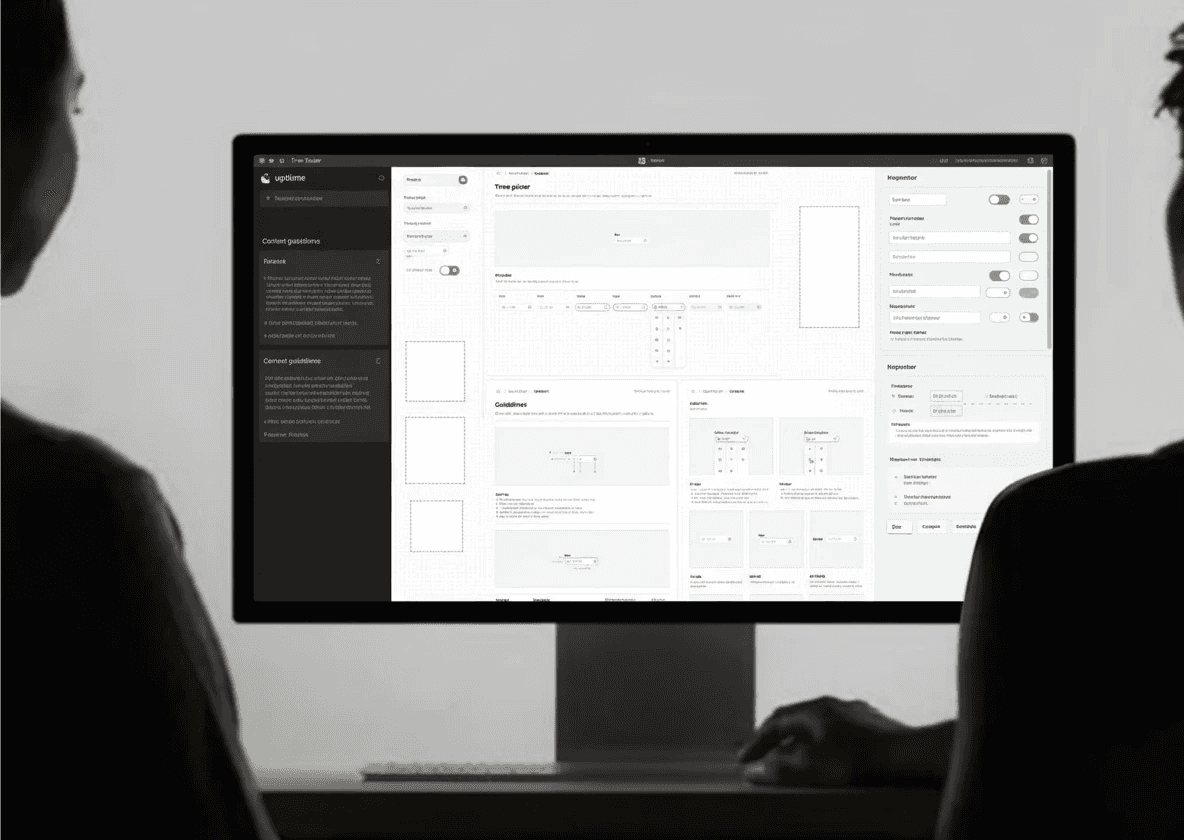
*Image was altered using AI to protect assets designed for Samsung. Please reach out to learn more about the components and patterns I've worked on.
Discovery to delivery
Unified Partner Portal
After my co‑op, I returned to Samsung as a contractor and became the product designer for two enterprise portals used by Samsung service providers. During this time, I partnered with our UX research team and support engineers to understand why we were seeing usage drop‑off and churn.
A clear pattern emerged: workflows were fragmented across multiple tools, hard to learn, and inefficient for busy teams. Working with product managers, data analysts, and developers, I helped shape a unified partner portal by mapping systems, defining end‑to‑end flows, and aligning with regional Samsung teams on business goals. This required continuous iteration as ongoing conversations with subsidiaries and users surfaced new requirements and insights.
We refined core workflows through internal pilots and external testing, using unmoderated studies, usability tests, and A/B experiments, to make the experience simpler, faster, and easier to maintain.
Our impact: The portal is still in active development, so we don’t yet have meaningful results. For now, we’re focusing on continuous feedback loops; regular check‑ins with regional teams, support, and especially our users. Their input is starting to guide more of our trade‑offs and roadmap decisions, and early feedback suggests we’re moving in the right direction.
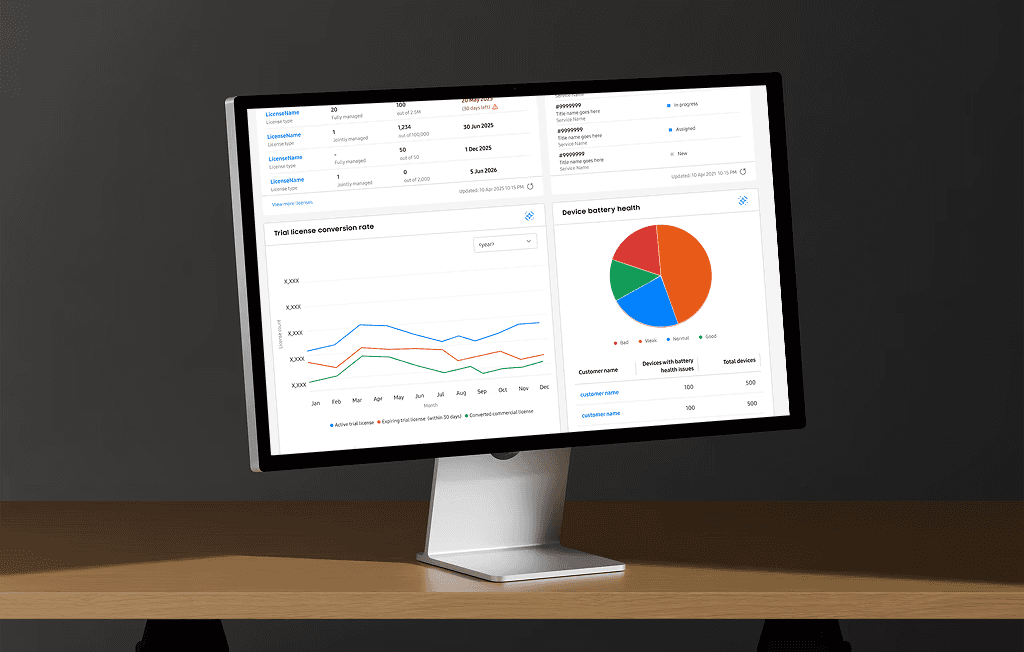
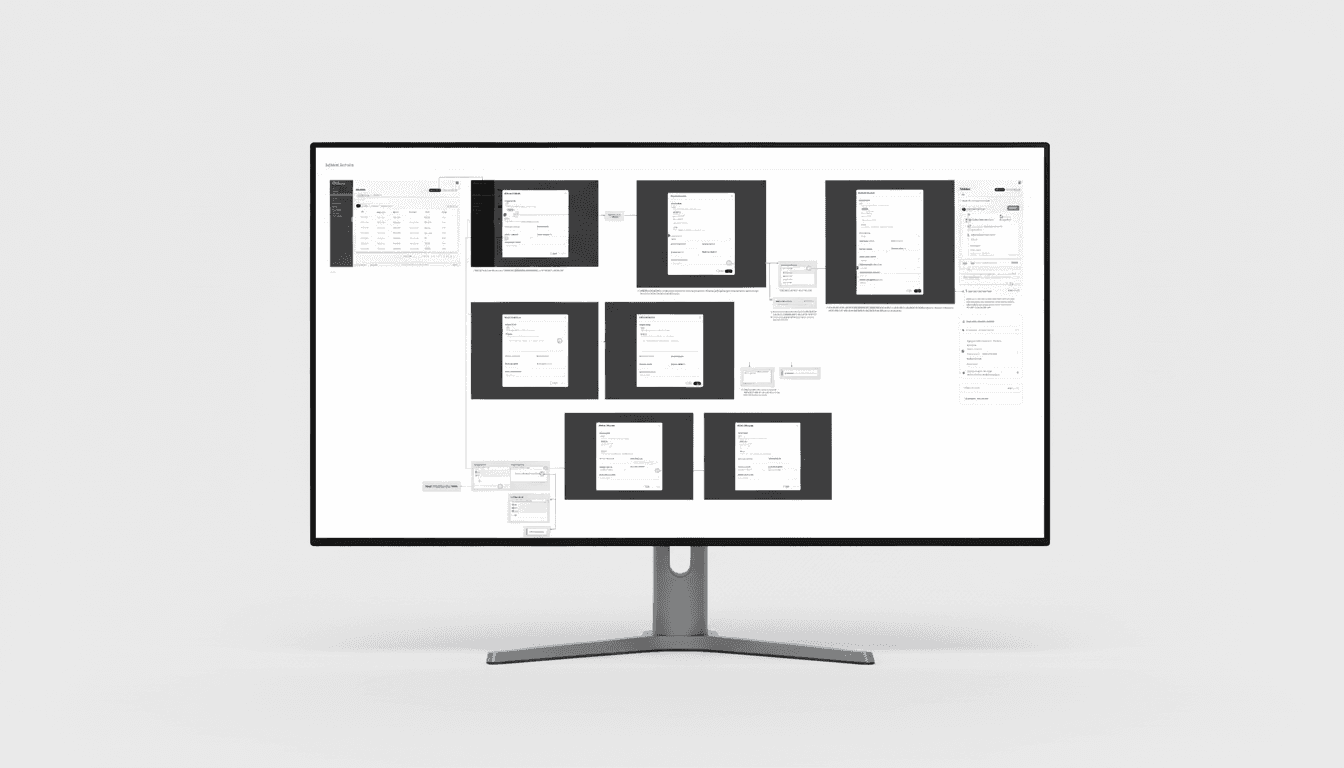
*Image was altered using AI to protect assets designed for Samsung. Please reach out to learn more about the flows and prototypes I've designed.
Note to self (and to others)
Personal reflection
If you're the smartest person in the room, you're in the wrong room.
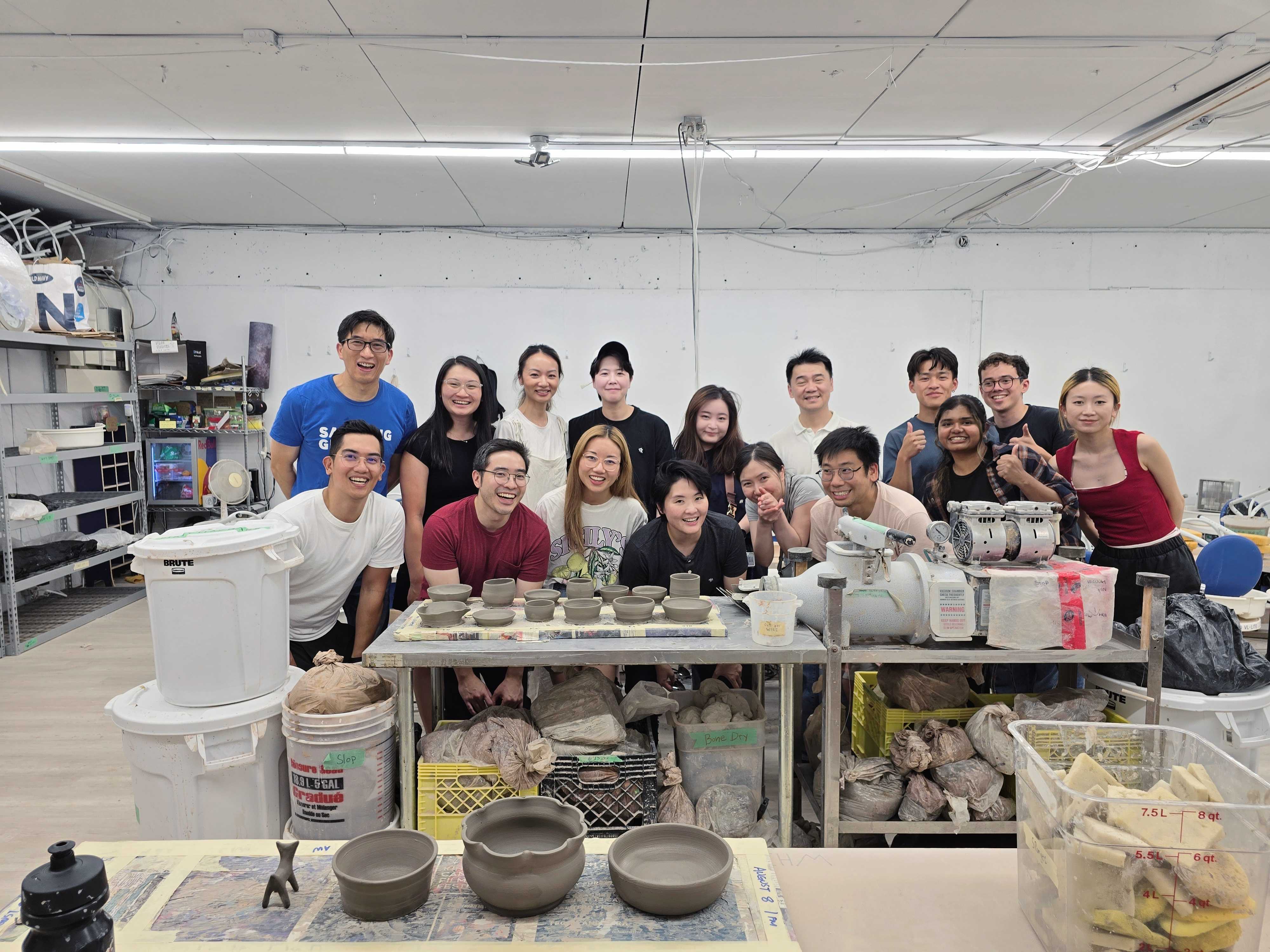
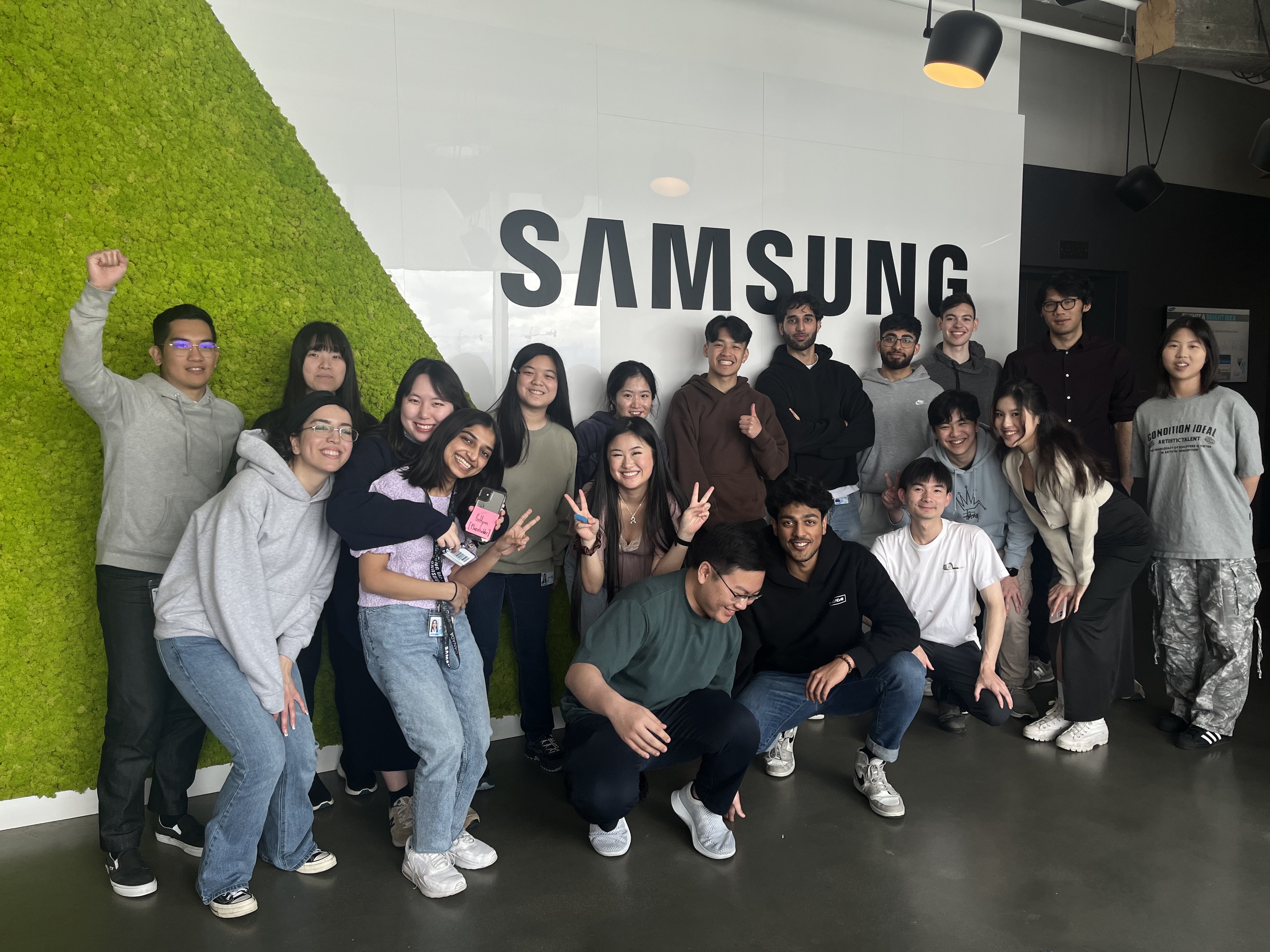
It's safe to say I was never in the wrong room. Being able to collaborate with and ask a lot of questions to the 12 UX designers and the 5 UX researchers allowed me to learn and pick the brains of the brightest and best UX practitioners. Seeing the process and analyzing the questions they ask during meetings, user testing, and feedback sessions has taught me why surrounding yourself with smarter people is important to growth and gaining new perspective.
Industry best practices might not suit your processes and systems.
Initially, while researching various components for our new design system, I thought that replicating from popularized design system was sufficient in showcasing my findings. But, I failed to understand the importance of synthesizing my research and solely using it for reference. Our use cases differed from the enterprises that were producing and publishing their design systems. This taught me to frequently practice design ethnography and showcase our progress with our user groups.